EPC LIFECYCLE
Better EPC Handoffs Start with a Decision Record
A lightweight way to carry assumptions, open questions, and ownership across engineering project handoffs.
Luqman Ismat
· 3 min read
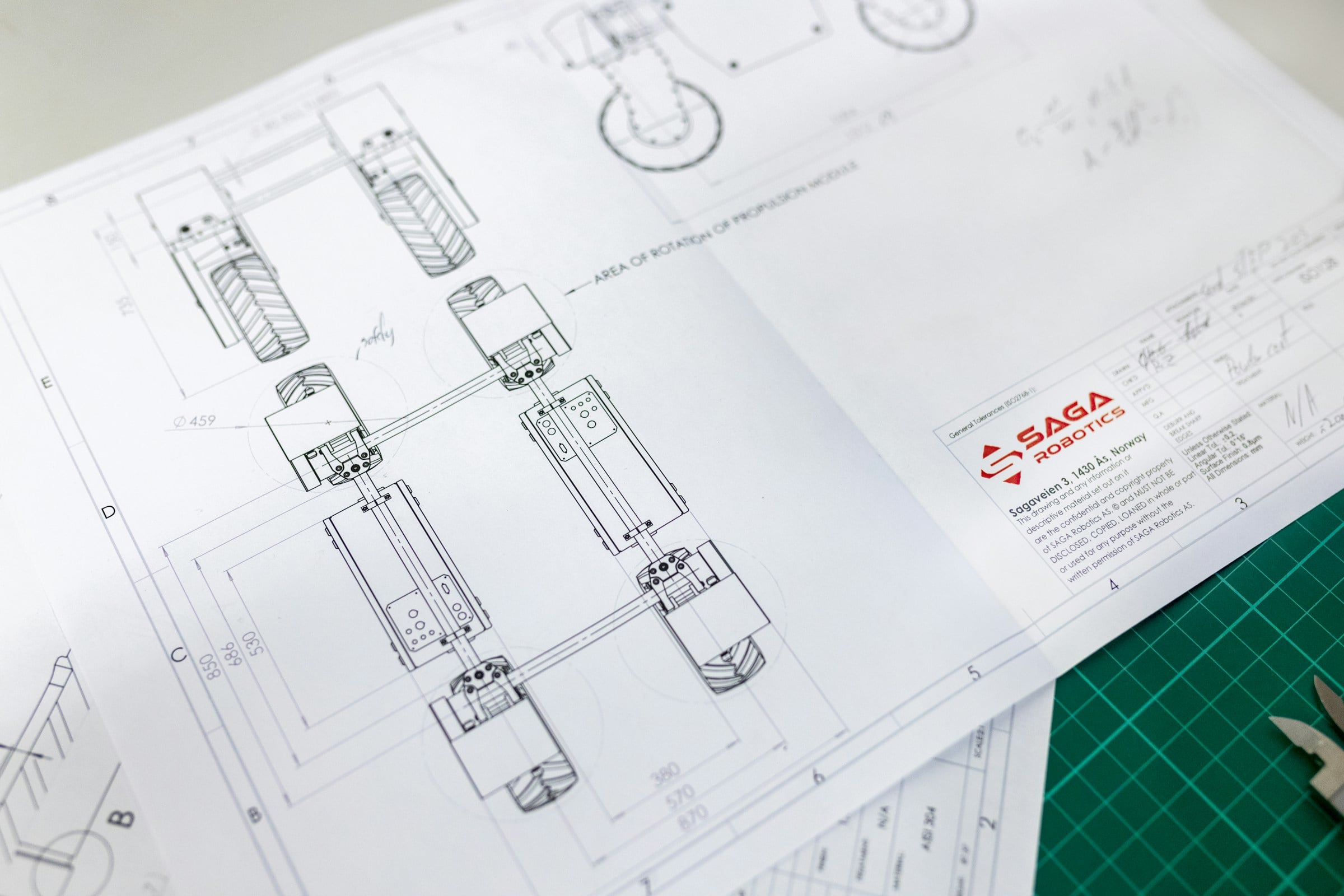
A document package does not carry all its context
An engineering handoff can contain every scheduled deliverable and still leave the receiving team unsure how to proceed. Documents show the selected arrangement or reported result. They may not show why an alternative was rejected, which assumption is provisional, or who must resolve an open interface.
A short decision record can fill that gap. Its purpose is to carry the reasoning needed for the next task. It should link to the controlled deliverables rather than become another competing source of technical values.
Write around the next decision
For each material decision, capture the question, selected approach, basis, affected documents, owner, and unresolved conditions. Include the revision of the supporting information. Keep the record short enough that the receiving engineer can use it during normal work.
For example, imagine a vendor package whose final connection details are still pending. A useful record identifies which layout assumption is being used, where it appears, who will obtain the vendor information, and which downstream work must be revisited when it arrives. “Awaiting vendor data” is too broad to support a clear handoff.
This example is illustrative. The appropriate hold points and review authorities depend on the project. The transferable idea is to make the dependency actionable: a named owner, a specific missing input, and an identifiable consequence.
Separate closed decisions from open assumptions
An assumption can be convenient enough to become invisible. Give provisional items an explicit status and a condition for closure. Record when the basis changes and link the superseded decision to the replacement. Otherwise, a team can keep following an old decision after its supporting information has changed.
Do not use a due date alone as the closure criterion. A date tells the team when an answer is expected. Closure requires evidence that the answer was received, assessed, and incorporated into the affected work. The record should point to that evidence instead of merely reporting a green status.
Review the handoff from the receiving side
Before transfer, ask a member of the receiving discipline to walk through one real next task using the package. Can they find the current basis? Can they distinguish an approved decision from an assumption? Do they know whom to contact and what work depends on an outstanding answer?
NASA describes technical data management and configuration management as complementary processes for keeping information accessible and controlled. For an EPC handoff, a modest application is to connect each decision record to the current document revision and preserve its history. The record then helps people navigate the controlled package rather than bypass it.
Start with one interface that repeatedly generates clarification requests. Track which questions recur and improve the handoff record around them. The aim is a package that supports the next person’s work with less reconstruction of context, not a larger collection of forms.
References
Related Articles

[EPC LIFECYCLE]
Detailed Engineering: The Backbone of EPC Project Execution
Exploring the critical role of detailed engineering in ensuring constructability, efficiency, and cost control in EPC projects.

[EPC LIFECYCLE]
The Critical Role of Estimating in EPC: Accuracy, Risk, and Cost Control
Understanding why precise estimation is the backbone of successful EPC project execution, from conceptual estimates to detailed cost analysis.

[EPC LIFECYCLE]
FEL Stages Explained: The Blueprint for Successful EPC Projects
Breaking down the Front-End Loading (FEL) stages and their role in minimizing risk and maximizing project success in EPC.